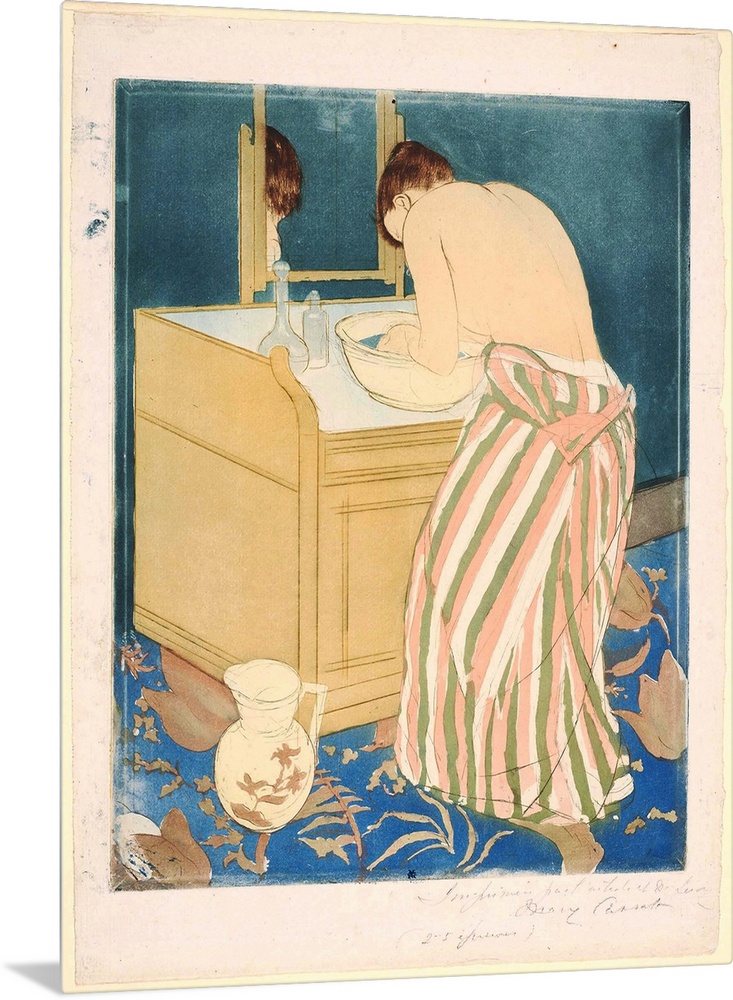
<p>Mary Cassatt (1844 - 1926) was one of "les trois grandes dames" of Impressionism, both a masterful painter and printmaker who used pastel colors in ways that few artists had dared before her. Much like her good friend and collaborator Edgar Degas, Cassatt’s paintings depict the intimate moments of women’s daily lives, and perhaps most famously, she had a remarkable gift for capturing the beauty in the smallest moments between a mother and child. Her art encapsulates the delicate minutia of such relationships, from the tender patience of one mother bathing her toddler, to the sweet affection of another kissing her infant goodnight. With her command of color and impressionistic genius, Cassatt’s images manage to convey women’s lives both authentically and graciously, highlighting the exquisite within the seemingly mundane.</p>
<p>Images of women washing themselves are ubiquitous in the history of Western art. The female nude in general has long been considered one of the most important subjects of artistic expression, most importantly in the form of history painting, traditionally represented in classical or biblical subjects. However, in the late 19th century progressive artists spurned traditional history painting in favor of contemporary subject matter - art of the moment that represented real life. The artists featured in this gallery made the theme of the bathing woman thoroughly modern. During this period, public health officials encouraged regular bathing not only for cosmetic reasons, but also as a means to combat diseases such as cholera. As a result, more and more people washed indoors regularly. The images in this gallery by Edgar Degas, Felix Vallotton, Pierre Bonnard, and Suzanne Valadon, for example, show modern accouterments of indoor plumbing - large porcelain tubs and taps for running water. Though these prints and drawings allude to contemporary industrial developments and evolving societal expectations, they remain principally devoid of narrative. They depict anonymous women across a range of social classes, including some models who were probably prostitutes, in the intimate act of washing. These artists used the subject of the bathing woman as an evocative means to an end - especially Degas, who returned to the theme of the bather literally hundreds of times between the late 1870s and his death in 1917. Degas utilized bathers to explore the possibilities of the human form - employing multiple angles and viewpoints, depicting its shape and various movements, and reflecting the many colors and textures of the environment.</p>
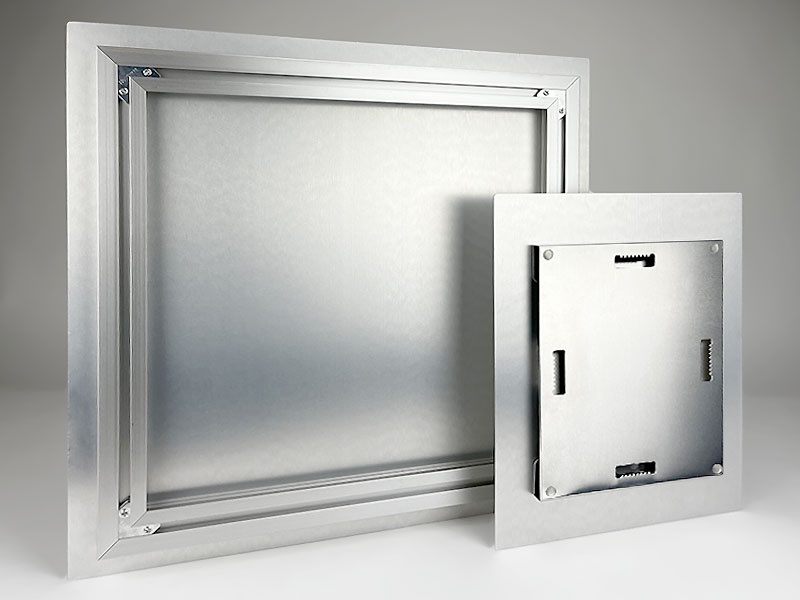
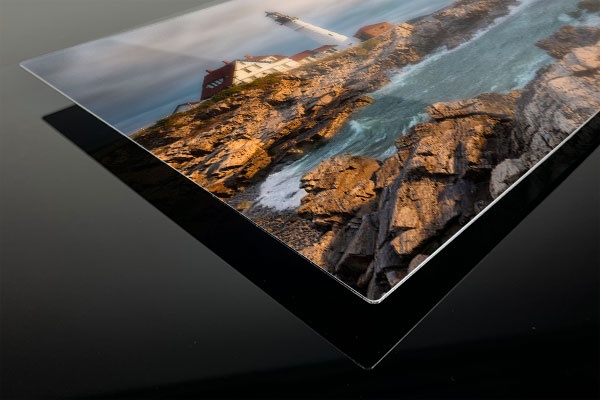
Showcase your favorite artwork in vivid detail with a custom metal print. Each metal print is individually custom printed on demand. Metal prints are a contemporary way to exhibit any piece of art, but are especially breathtaking for landscape and fine art photography, vintage posters, and digital artwork.
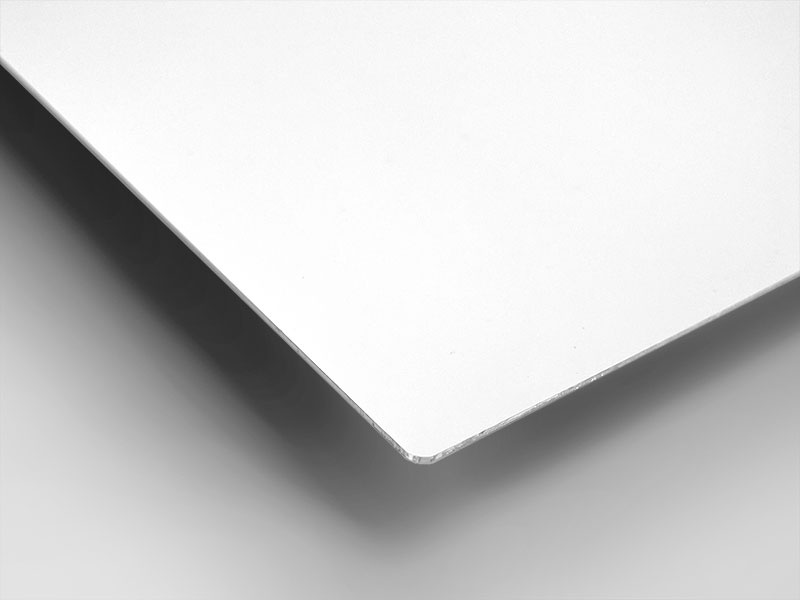
<p>Our custom metal prints are crafted using a dye sublimation printing process, ensuring vibrant colors, vivid imagery, and high definition detail. Our stunning metal print wall art features 1/8” radius borders and a high gloss sheen.</p>
<p>On the back of your new metal print, you’ll find hangers pre-installed, making installation a quick and effortless task right out of the box. For sizes 20”x20”, 18”x24”, 12”x36”, and larger, our custom metal prints come with a metal inset hanger. Sizes 16”x24”, 16”x20”, 16”x16”, and smaller, come with a sawtooth metal mount.</p>
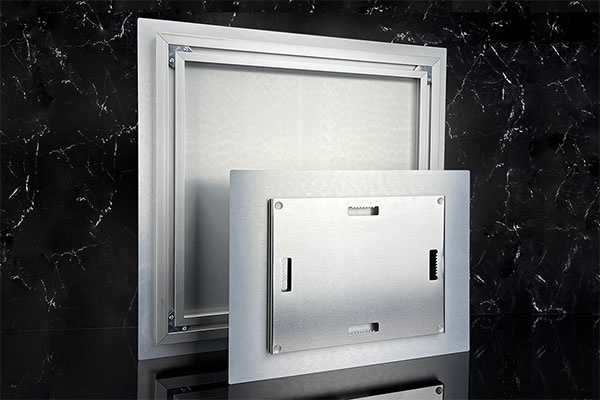
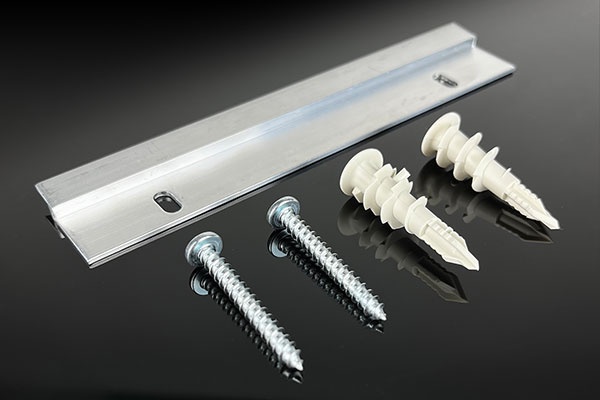
<p>Larger metal art prints that feature the inset hanger include hanging hardware for attaching your new metal art print to your wall. *Use a nail, screw, or hook of your choosing for the smaller prints featuring the sawtooth metal mount.</p>
 Art
Mary Cassatt
Classic Art
Classic Art by Period
Modern Art
Impressionism
Classic Art by Subject
Figurative
Painting
People
Figurative
Art
Mary Cassatt
Classic Art
Classic Art by Period
Modern Art
Impressionism
Classic Art by Subject
Figurative
Painting
People
Figurative

