<p>Edvard Munch (1863 - 1944) was one of Modernism's most significant artists. He was active throughout more than sixty years; from the time he made his debut in the 1880s, right up to his death in 1944. Munch was part of the Symbolist movement in the 1890s, and a pioneer of expressionist art from the beginning of the 1900s onward. His tenacious experimentation within painting, graphic art, drawing, sculpture, photo and film has given him a unique position in Norwegian as well as international art history.</p>
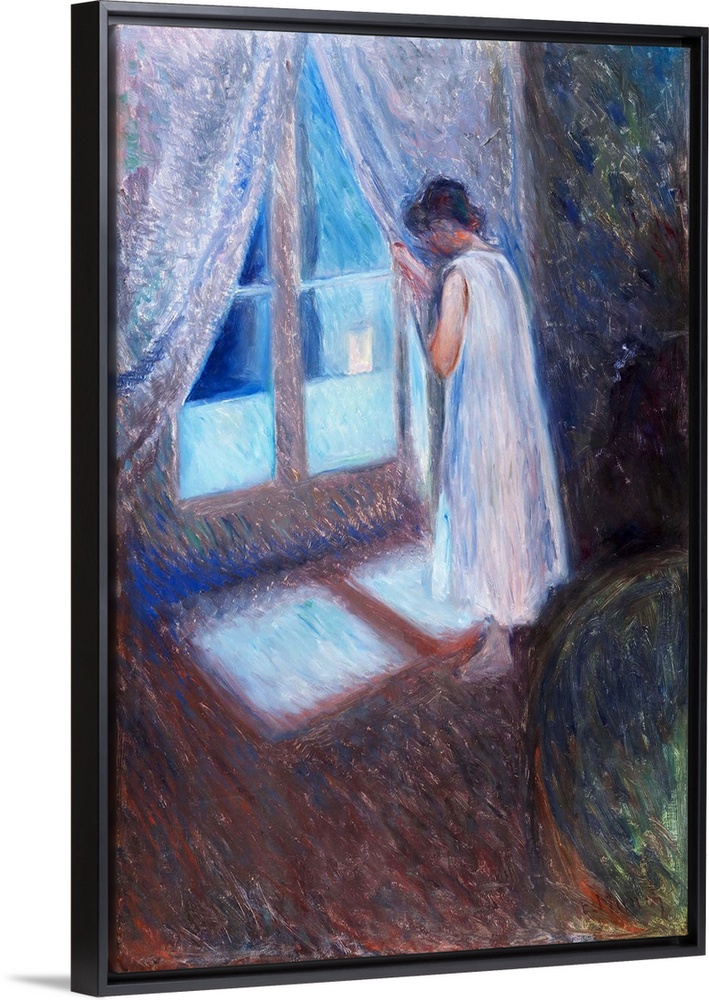
<p>Edvard Munch's life and art particularly his iconic work, The Scream (1893; National Museum, Oslo), have come to epitomize modern notions of anxiety. Yet the same year he painted his radical image, Munch was experimenting with other styles and themes. Frequent visits to Paris and Berlin between 1889 and 1893 brought the Norwegian artist into direct contact with the Impressionists and Symbolists. These travels encouraged him to adopt their bold brushwork, daring compositions, and imagery. But he nonetheless continued to incorporate the Romantic subjects of the northern European artists long familiar to him, such as a lone figure at an open window. This combination is powerfully manifested in, The Girl by the Window, made soon after his return home to Norway. In the dead of night, a young girl in her nightgown stands in a darkened room gazing out at the city. The steep angle of the floor and the deep shadows that obliterate everything in the room, save a suggestion of a piece of furniture at the lower right, create an unsettling and enigmatic scene. Loosely applied, somber brown tones mingle with violets and blues, evoking a feeling of melancholy and anticipation. The window functions as a symbolic barrier, separating the interior from the outside world. The sense of mystery is deepened and complicated by the fact that we cannot see the expression on the girl's face, nor do we know what she covertly observes. She in turn appears unaware that, as she gazes from behind the curtain at something unknown outside, the artist and implied viewer are watching her.</p>


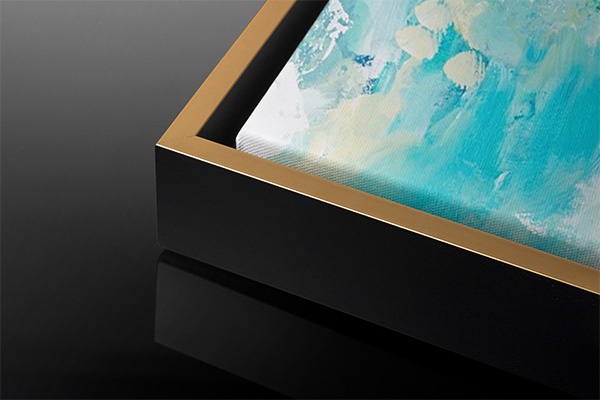
Elevate your home or office décor by adding a modern floating frame to your canvas art print. Finishing your gallery wrapped canvas with a floating frame enhances the beauty and detail of our giclée art prints. Handcrafted from solid wood, and available in multiple finish colors, there’s sure to be a frame to accent your canvas art print.
<p>Create the illusion that your new gallery wrapped canvas art is suspended in space with our premium 1.75” inch deep floating frame. With several available frame finishes to choose from, you’re sure to find the color that best accents your handcrafted art and personal décor.</p>

<p>Our floating frame prints feature giclée printed canvas produced with high quality, UV-resistant, environmentally-friendly, latex inks and artist grade, polycotton canvas. We pride ourselves on color accuracy and image clarity to ensure your new canvas print lasts for years to come.</p>
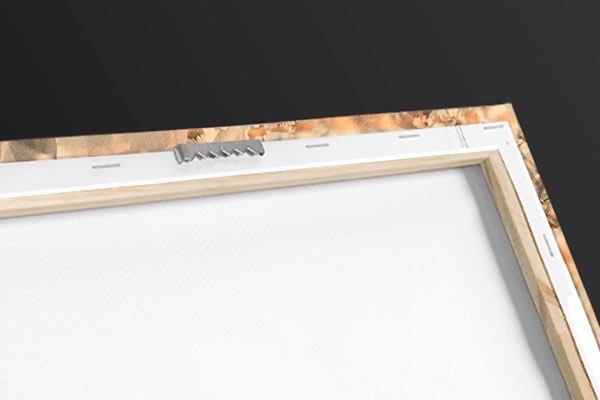
<p>The lightweight construction and pre-installed sawtooth hangers make installation a breeze. Even though they're light, our rock-solid construction boasts long-lasting durability.</p>
 Art
Classic Art
Classic Art by Period
Modern Art
Expressionism
Classic Art by Subject
Figurative
Edvard Munch
Painting
People
Figurative
Art
Classic Art
Classic Art by Period
Modern Art
Expressionism
Classic Art by Subject
Figurative
Edvard Munch
Painting
People
Figurative

