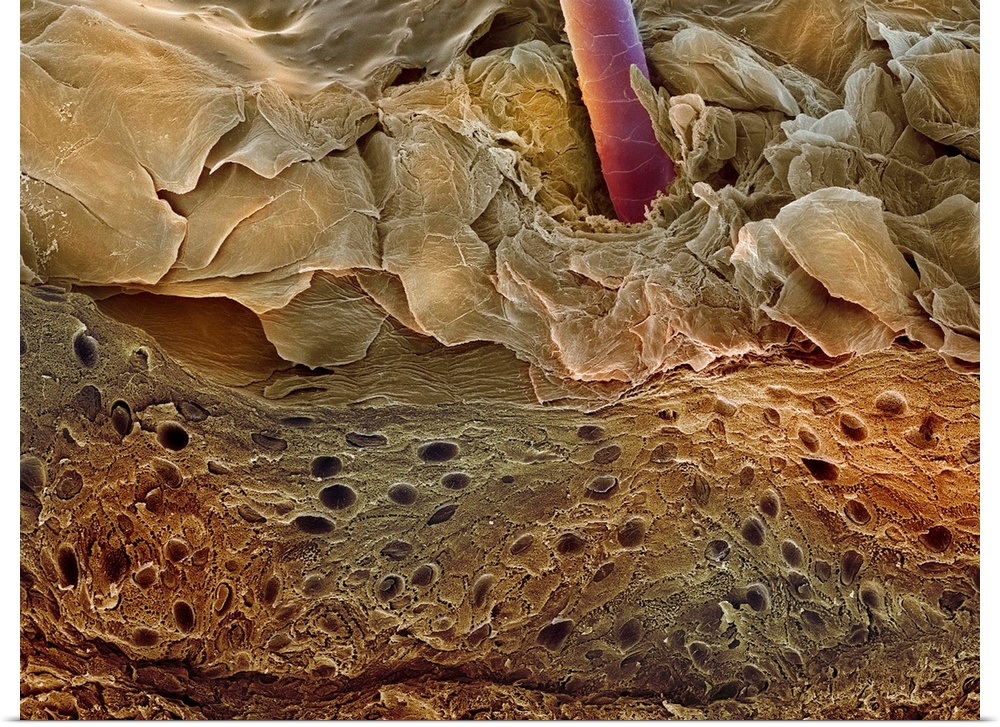
<p>Skin section. Coloured scanning electron micrograph (SEM) of a section through human skin. A hair (red) is protruding through the surface. The top layer of the epidermis is the stratum corneum (cornified layer, light brown). It is comprised of dead, keratinised flattened skin cells, which are continuously sloughed off and replaced with new cells from below. The living layer of the epidermis (dark brown) is called the Malpighian layer. This layer contains cells called melanocytes, which produce the pigment melanin. This pigment darkens the skin when it is exposed to sunlight, producing a suntan. Magnification: x55 when printed 10 centimetres wide.</p>



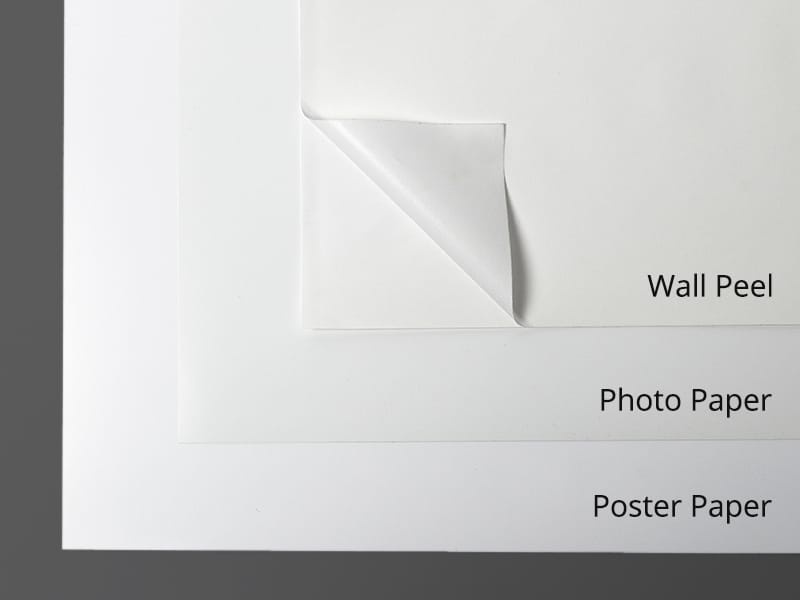
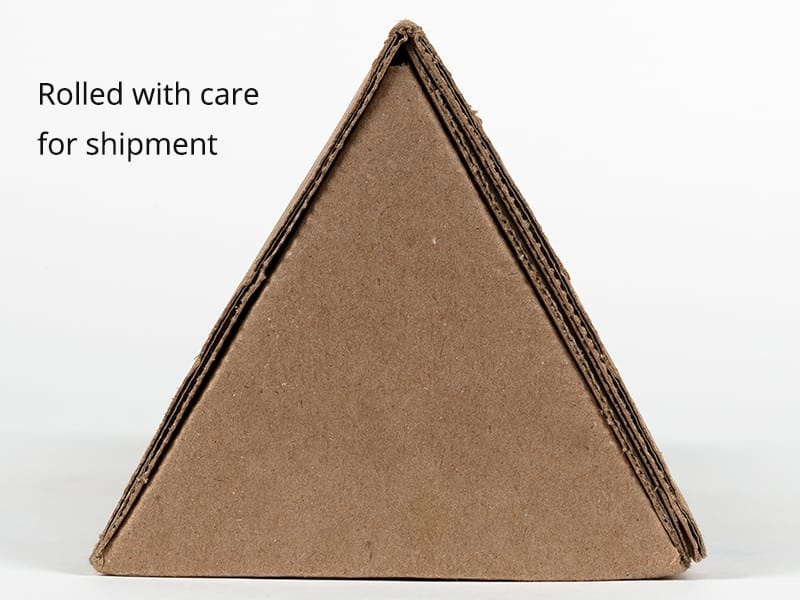
Whether you’re looking for an affordable wall art solution, or seeking to custom frame your art at home, our giclée poster prints will not disappoint. Printed on high quality poster paper, your new abstract art, movie poster, or fine art photography will look stunning in any light.
<p>Your selected artwork is printed in fine detail on a lightweight, low glare, satin poster paper. This bright white paper stock ensures vibrant color and image clarity.</p>

<p>All of our paper prints are giclée printed with archival inks for enduring color and detail. Each poster print is carefully checked by our print team to ensure the details and quality are faithful to the original artwork.</p>

<p>If you’re looking for a specific frame or custom matting, our high quality poster prints give you the flexibility to frame your art at home. Looking for an all-in-one framed art print that’s ready to hang? Be sure to check out our framed art prints for a complete, finished product, available in a variety of frame finishes. Whether you choose to do it yourself or opt for our all-in-one framed prints, our poster prints are guaranteed to provide visual impact to your space.</p>
 Educational
Science
Human Anatomy
Steve Gschmeissner
Educational
Science
Human Anatomy
Steve Gschmeissner

