

Behind the Artist: Isabella Karolewicz
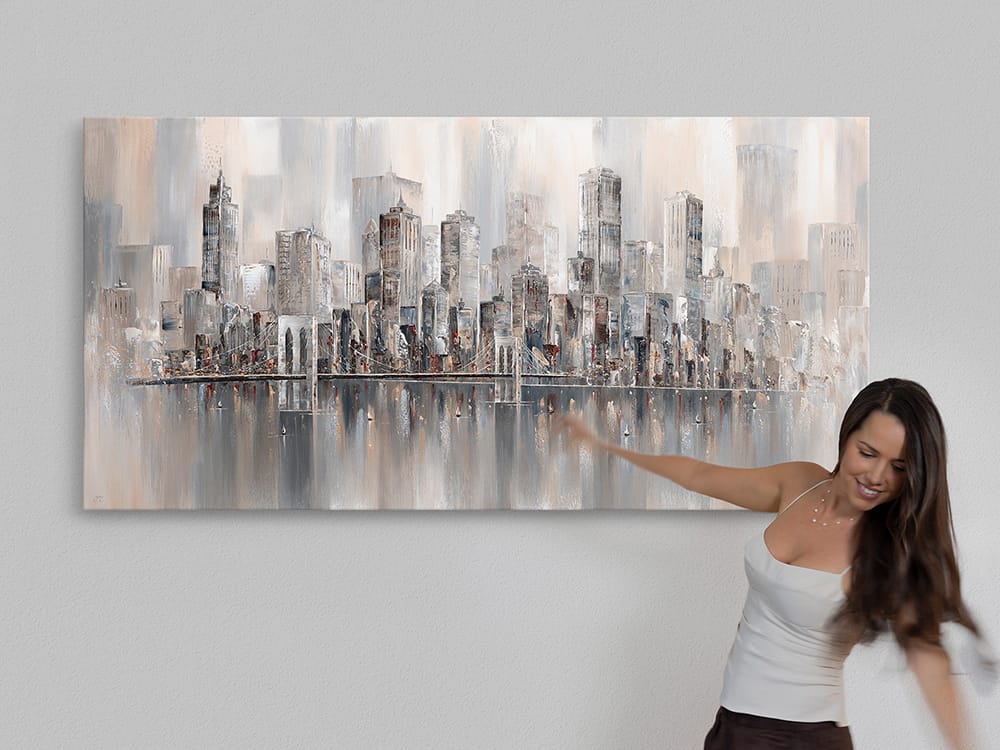
Isabella Karolewicz is an artist whose romantic cityscapes capture the atmosphere and character of the places that inspire her. From the canals of Venice to the streets of Paris, her paintings bring together soft reflections, elegant architecture and a sense of nostalgia.

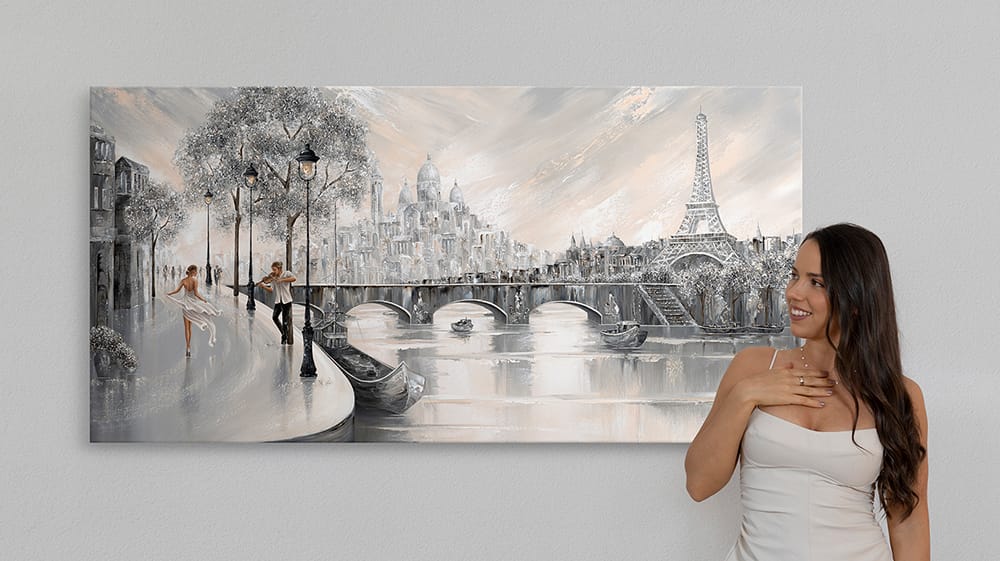
With a background in traditional painting, Isabella has spent more than twelve years developing her cityscapes, combining classical techniques with a more contemporary, abstract approach. Her work also includes figurative pieces that explore confidence, strength and vulnerability. We sat down with Isabella recently to learn more about her process and journey as an artist.
Your cityscapes have this dreamy, almost memory-like quality rather than looking like postcards. What are you actually trying to capture when you paint a place like Paris or Venice? Is it the place itself, or a feeling about it?
I try to capture the essence and feeling of a place. When I visited Venice, what stayed with me was the tranquility. The city floated on the water and had an ethereal quality, especially in the morning when the light reflected across the canals and seeped into the water. There was such a sense of peace and quietness.
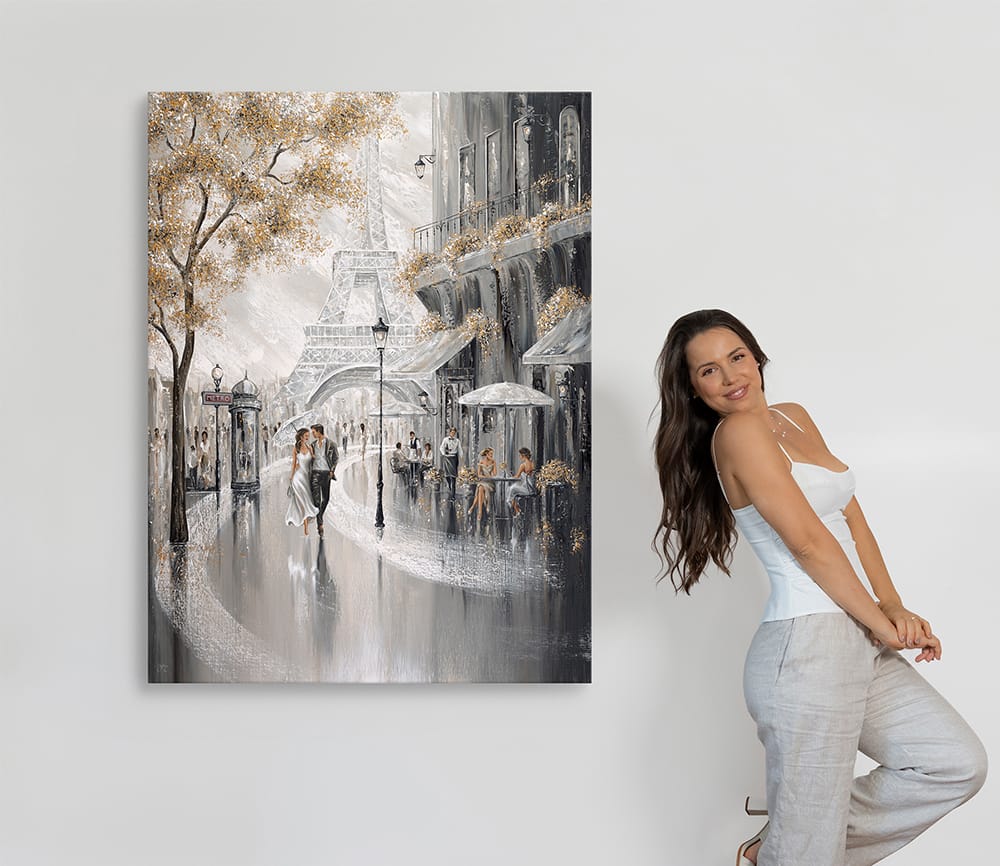
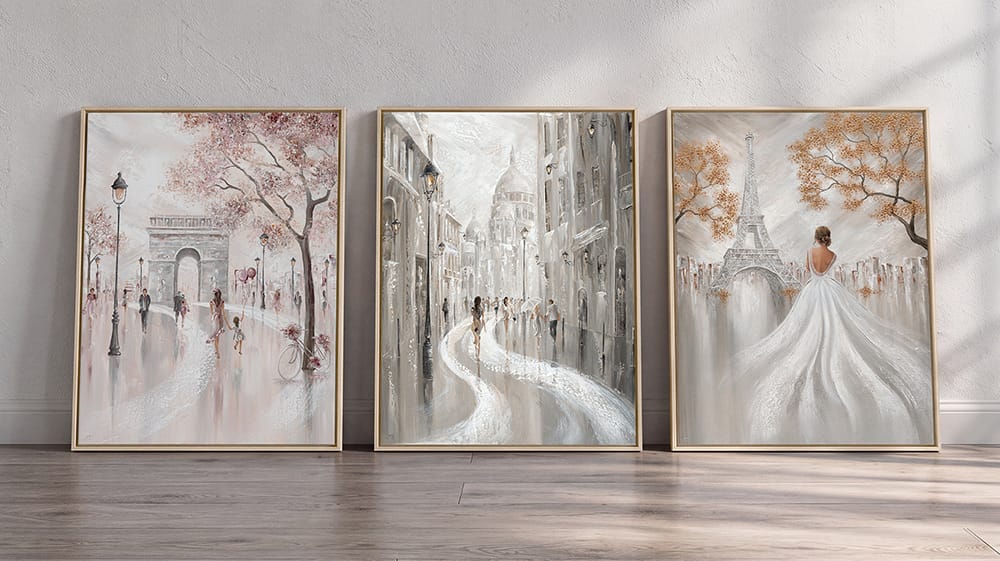
Paris affected me differently. I was drawn to its architectural elegance, rich history and touches of gold, which appear throughout my Paris series. I remember walking beside the Seine, hearing music in the streets and seeing the Eiffel Tower from so many different angles. At night, the lights created beautiful reflections. People sometimes assume I am painting a rainy day, but often it is simply my way of bringing reflected light into the scene.
I deliberately remove elements such as cars and modern technology. I often imagine my paintings existing in another time. One with fewer distractions and more space to be present with the people you love.
You move between cityscapes and figurative nudes, which don't obviously overlap on paper. Is there a common thread running through these different subjects and art styles for you, or do they scratch different creative itches?
The cityscapes are my legacy body of work that I have been developing for more than twelve years, whereas the nudes belonged to a much smaller season of my practice.
I began painting the nude series because nude art had always made me feel awkward. I wanted to challenge my own response to it and find a way to approach the human form that felt true to me. I softened the figures and left certain elements to the imagination instead of showing the viewer what I felt was too much. I wanted the work to feel tasteful, elegant and intentional.
The series also became an expression of strength through the human form. I created it during a period when I was not feeling particularly confident, so in many ways it was a personal study of confidence and vulnerability.
Although the subjects served different purposes, there is a connection in the way I approach every artwork. It is the undeniable theme of a 'romantic elegance' which seems to tie together all the artworks I create.
How would you describe your art style?
I would describe my work as a combination of modern and traditional styles. Like classical art infused with a modern twist to create timeless pieces.
I usually begin a painting through abstraction, building the work gradually through layers. As the painting develops, I bring in more traditional techniques and finishing touches. This creates a balance between movement and structure, and between recognizable forms and imagined details.
My traditional training in painting has given me a strong foundation and allowed me to move freely into more contemporary and abstract styles.
Was there a specific person, place or experience that pushed you toward art?
My mum recognized my love of creating from a very early age and always encouraged me to create. Although I was heavily focused on competitive sports such as gymnastics throughout school, she always made sure I had opportunities to attend art lessons.
After I finished school, I entered my very first art show and sold a painting for $1,000. That was a pivotal moment for me. It was the first time I realized that art could become more than something I loved, it could become a career. From that point, I put my heart and soul into finding a way to make it happen.
Looking back, is there anything about becoming a full-time artist that surprised you?
What surprised me most was how isolating being an artist could be, and how much work happens behind the scenes. While my friends moved into conventional careers, I was building my own path without a clear structure. A self-represented artist is also an entrepreneur, so alongside developing my work, I studied business, accounting, marketing, sought mentorship, completed business courses and attended international conferences. I had to create my own path to success.
The uncertainty of building a sustainable income, particularly through economic downturns, was confronting. What kept me going were the unexpected messages that often arrived just when I felt like giving up: “Never stop. Keep doing what you're doing.” Knowing my work inspired others helped carry me through the difficult periods.
I also thought about my early collectors. They invested in my work because they saw something in me that perhaps I could not yet see in myself. Their belief gave me a deep sense of responsibility to keep going and build a legacy worthy of their early support.
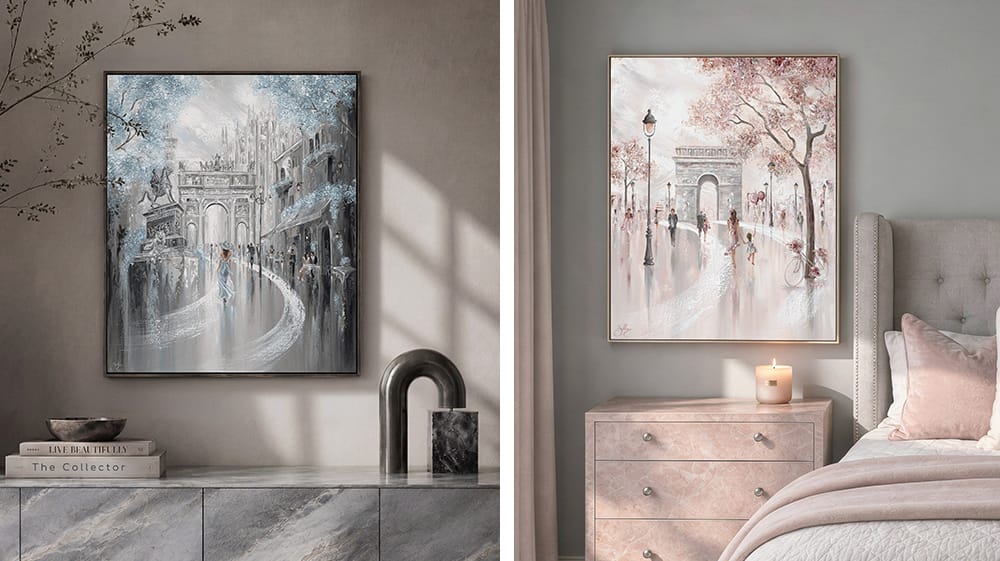
Experience Isabella's work for yourself through her collection on Great Big Canvas
We believe art wields the power to inspire, energize, and transform people and places. Our team of curators and craftspeople are passionate about providing art that meets your unique vision and style.